
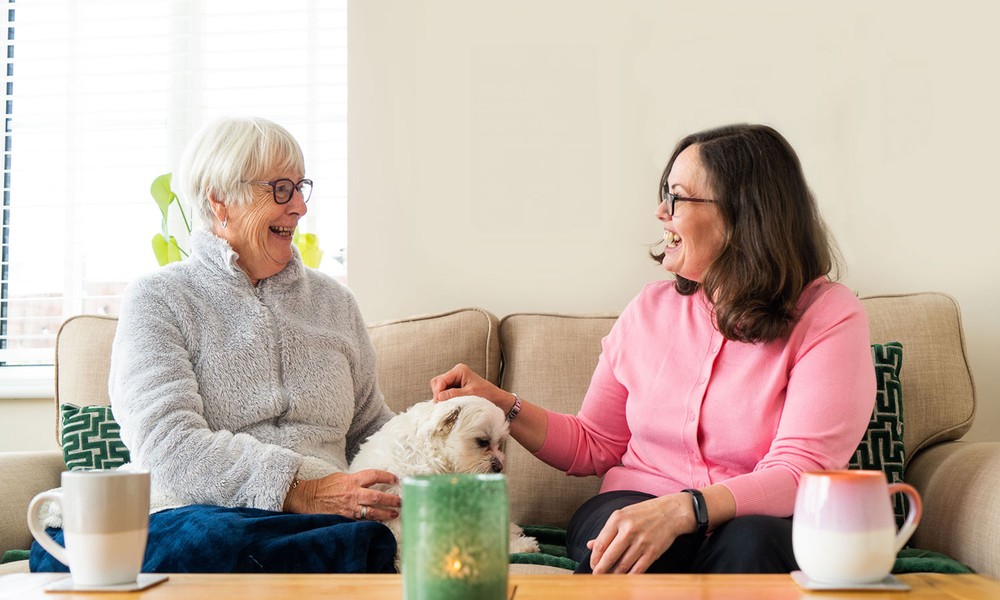
For many families across the United Kingdom, finding the right assistance for an older relative is a primary concern. A resident carer providing round-the-clock support represents a transformative solution. It allows senior individuals to stay in their cherished homes whilst receiving dedicated, one-to-one help.
The preference for home-based assistance is growing significantly. More people now recognise the profound benefits of personalised provision over traditional residential settings. This model places the individual’s comfort and familiar routines at the very centre of the support plan.
The fundamental principle is empowering independence. With a dedicated professional in the household, older adults can maintain their dignity, daily habits, and social connections. This continuous presence offers not just practical aid but also valuable companionship, enhancing overall wellbeing.
This detailed guide explores every aspect of arranging such a support solution. It will cover the core benefits, practical considerations, and how to select a suitable provider. The aim is to offer clear, actionable guidance for those navigating this important decision.
Ultimately, this approach provides immense reassurance to families. It helps balance their own responsibilities with the knowledge that their loved one is safe and content. Tailored, compassionate assistance makes remaining at home a sustainable and positive choice.
Key Takeaways
- A resident carer enables older adults to stay in their own homes with full-time, personalised assistance.
- Home-based support is increasingly favoured in the UK for its focus on individual comfort and routine.
- This model prioritises maintaining a person’s independence, dignity, and social connections.
- Our guide provides comprehensive information on benefits, logistics, and choosing a provider.
- Families gain significant peace of mind knowing their relative receives consistent, tailored support.
- The arrangement offers a practical alternative to residential facilities for many individuals.
- Companionship is a key component, contributing positively to overall quality of life.
Understanding the Essence of Live-in Care
Fundamentally different from institutional settings, this solution centres on personalised attention within one’s own familiar space. It represents a dedicated form of long-term assistance where a trained individual resides in the client’s household.
This continuous presence allows a person to maintain their cherished daily routines and social life. The knowledge that help is always at hand provides profound reassurance.
Defining Live-in Support
A specially chosen professional moves into the client’s home. Their role extends far beyond practical tasks like meal preparation or managing medication.
They offer constant companionship and emotional reassurance. This blend of skilled help and genuine fellowship is the core principle.
Evolution of Home Care Services
In the United Kingdom, provision has evolved significantly. It moved from basic visiting help to comprehensive, holistic solutions.
Modern live-in assistance now encompasses everything from personal support to household management. This creates a complete, person-centred environment that prioritises individual dignity.
| Aspect | Live-in Support | Hourly Visits | Residential Facility |
|---|---|---|---|
| Environment | Person’s own home | Person’s own home | Shared communal setting |
| Consistency | Continuous, dedicated presence | Scheduled, time-limited visits | Rotating staff shifts |
| Primary Focus | Holistic wellbeing & companionship | Task completion | Group care management |
Benefits of Live-in Elderly Care in Home Settings
Receiving dedicated support at home fundamentally alters the experience of later life. It prioritises personal choice and comfort above all else. This arrangement provides a holistic solution that nurtures both practical needs and emotional wellbeing.
Enhanced Quality of Life
This model enables access to professional help without the need to relocate. A consistent carer living in the home builds a trusted, deep relationship. This continuity fosters highly personalised support for daily routines.
Everything from morning preparations to managing appointments is handled with respect for the individual’s preferences. This tailored approach actively preserves a person’s autonomy. It also brings immense safety and peace of mind, especially during the night.
Perhaps most importantly, it directly combats isolation. Constant companionship throughout the day offers conversation, shared interests, and genuine friendship. This significantly uplifts overall quality of life.
Maintaining Home Comfort and Familiarity
Remaining in one’s beloved house is a powerful emotional anchor. An individual stays surrounded by cherished possessions, memories, and a known neighbourhood. This familiarity provides a profound sense of security and continuity.
It represents the ideal balance. A person receives the necessary professional assistance while their independence and lifestyle remain central. For the wider family, knowing a relative is content and supported in their own space offers invaluable reassurance.
Personalised Care and Companionship Tailored to You
Transforming a house into a supportive home requires more than presence; it demands a personalised partnership. This approach begins with a relationship-led matching process. A highly trained carer is selected with the individual’s unique character, needs, and preferences in mind.
One-on-One Personal Attention
This model provides undivided focus on a single person. Unlike settings where attention is divided, the carer can notice subtle changes in wellbeing or mood. This allows for proactive adjustments to the support provided.
The strongest relationships are built on genuine friendship. The professional takes time to understand the person‘s life history, hobbies, and interests. This deep understanding means daily routine and activities can be adapted to personal preferences.
“The essence of effective support is seeing the whole person, not just the list of needs. Connection is the cornerstone of wellbeing.”
| Aspect | Personalised Live-in Approach | Standard Residential Care |
|---|---|---|
| Focus of Attention | Dedicated to one individual | Shared among multiple residents |
| Relationship Foundation | Built on shared interests & companionship | Primarily task-oriented and clinical |
| Adaptability | Support moulds around the person’s preferred lifestyle | Routines are often set by the facility’s schedule |
This tailored method extends beyond physical needs. It encompasses emotional support and intellectual engagement based on individual interests. The result is authentic companionship that feels natural, significantly enhancing a person’s quality of life.
Key Aspects of live-in elderly care services
A common misconception is that having a professional reside in the home means constant, round-the-clock task-based assistance. In reality, this model is structured around a typical working day.
A carer usually provides active support for eight to ten hours. These hours are discussed during the initial assessment and tailored to suit the individual’s specific needs. This ensures help is available when it is most required.
24/7 Dedicated Support
The professional remains on hand outside these times for emergencies. This provides essential safety and reassurance around the clock. It is a key distinction from expecting ongoing night-time assistance.
Unlike part-time visits, this arrangement offers constant companionship from one familiar helper. There are no gaps in support or companionship during the day. It differs greatly from residential facilities with rotating staff.
Carers take regular breaks. Arrangements are made to ensure continuity so the person’s needs are always met. This balance maintains a sustainable and effective live-in partnership.
Choosing the Right Live-in Care Provider
The process of finding a suitable organisation for ongoing household assistance involves several key considerations. It is essential to select a partner that prioritises individual wellbeing and offers flexible, person-centred support.
Evaluating Provider Credentials
First, verify essential credentials. In the UK, look for registration with the Care Quality Commission (CQC) and review their latest inspection ratings.
A reputable provider will take time to listen and understand unique circumstances. This ensures the support adapts as a person’s needs change over time.
Personalised Matching Process
Expert advisors guide families through the entire set-up process. They arrange a free, no-obligation assessment where a qualified assessor visits the home.
This visit helps determine the optimal level of support. It also informs the careful selection of a compatible helper based on shared interests and experience.
The right organisation will have a dedicated team available to answer questions. They provide ongoing reassurance, ensuring the arrangement remains optimal for all involved.
The Role of Technology and Support in Live-in Care
Contemporary home assistance now incorporates sophisticated technological systems that enhance both practical help and emotional reassurance.
A reliable internet connection forms the essential foundation. It allows the support professional to maintain contact with their supervisory team and access vital training resources.
Modern Communication and Safety Tools
Progressive providers often offer dedicated mobile applications. These give families real-time updates about daily activities and overall wellbeing.
Digital tools also significantly boost safety within the home. Medication reminder systems, emergency alert pendants, and discreet monitoring devices all promote secure independent living.
A 24-hour on-call emergency line provides an additional layer of reassurance. This immediate access to expert advice offers profound peace of mind.
Modern communication bridges geographical distances. Video calls and instant messaging enable regular contact between individuals and their relatives, fostering closeness.
It is crucial to remember that technology supports rather than replaces the human connection. The core of effective provision remains the genuine relationship between helper and recipient.
| Technological Enhancement | Human Element It Supports | Primary Benefit |
|---|---|---|
| Family Update Applications | Transparency & Family Involvement | Continuous reassurance for relatives |
| Medication Reminder Systems | Consistency in Health Management | Reduced risk of missed doses |
| Video Calling Platforms | Maintaining Social & Family Bonds | Combats isolation and loneliness |
| 24/7 Emergency Support Line | Safety Net for Carer & Client | Instant access to professional help |
Ensuring Safety, Health and Emotional Wellbeing
Integrating robust safety protocols with compassionate companionship creates an environment where individuals can truly thrive. This holistic approach weaves together physical security, attentive health oversight, and meaningful social connection.
Monitoring Health Outcomes
A dedicated professional closely observes a person’s daily condition. They ensure correct medication, balanced nutrition, and proper hydration are maintained.
This vigilant monitoring helps spot early signs of changes in health status. For those managing conditions like dementia or Parkinson’s, such consistency is vital for confidence at home.
Emotional Companionship Strategies
Genuine friendship actively counters loneliness and isolation. Shared activities, conversations, and common interests build a deep, trusting bond.
This emotional support is as crucial as practical help. It significantly enhances a person’s overall wellbeing and life satisfaction.
Reliable Emergency Response
Helpers are trained to recognise warning signs and act swiftly. They know how to respond to medical situations and contact emergency services if required.
This preparedness provides a crucial safety net. It offers reassurance for both the individual and their family.
| Aspect | Primary Method | Key Outcome |
|---|---|---|
| Safety & Supervision | Constant presence & risk assessment | Protected environment, especially for those with complex needs |
| Health Monitoring | Medication management & nutritional oversight | Stable health, early intervention for conditions like dementia |
| Emotional Support | Meaningful companionship & shared activities | Reduced isolation, enhanced wellbeing |
| Emergency Readiness | Professional training & clear procedures | Swift, effective response to crises |
Together, these elements provide families with profound peace of mind. They know their loved one’s health, safety, and happiness are in capable, caring hands.
Quality and Trust: Our Dedicated Care Team at Knightsbridge Care Services Ltd
At the heart of a reliable service is a meticulously selected and continuously supported team of helpers. Knightsbridge Care Services Ltd builds its provision on this principle. Their commitment to quality stems from rigorous staff development and comprehensive support systems.
Rigorous Staff Training and Support
Industry-leading training programmes equip each professional with advanced skills. This prepares them to offer a bespoke alternative to residential settings. They learn to meet diverse health and companionship needs with confidence.
Every carer undergoes an enhanced DBS check and is English-speaking. This ensures safety, clear communication, and upheld standards. Specialist training covers complex conditions like dementia and Parkinson’s.
The team members are directly employed, not contractors. This model ensures accountability and consistent quality. It also guarantees ongoing supervisory support and clinical guidance.
Continuous professional development is a priority. Regular supervision and access to experts mean the carer‘s knowledge stays current. This investment in the team‘s wellbeing translates directly into more compassionate, knowledgeable care for individuals.
Comprehensive Care Plans and Assessments for Individual Needs
A truly effective support arrangement begins with a deep understanding of the individual’s unique life and requirements. This foundation is built through a detailed assessment and results in a dynamic, personalised care plan. Together, they ensure provision is perfectly aligned with a person’s daily reality.
Initial Assessment Process
A qualified assessor visits the home. They spend time getting to know the person, their routines, hobbies, and specific needs. This conversation determines the optimal level of support required, directly informing the subsequent care plan.
Dedicated coordinators use this insight. They carefully match the individual with a shortlist of compatible helpers. Compatibility is based on shared interests and lifestyle preferences.
Tailored Care Plan Development
The subsequent care plan is never a generic template. It is a collaborative document created with the client and their family. It details everything from medication management to favourite social activities.
This plan is a living document. Regular check-ins and coordinator visits ensure it evolves as needs change over time. This ongoing review guarantees consistent, high-quality support every day.
| Aspect | Initial Assessment | Tailored Care Plan |
|---|---|---|
| Primary Focus | Understanding the person’s life, routines & needs | Documenting personalised support actions & preferences |
| Key Output | Comprehensive assessment report | A dynamic, person-centred care plan |
| Ongoing Role | Informs the initial care plan | Continuously updated to reflect changing circumstances |
“A plan that isn’t personalised is merely a procedure. True support is designed around the person, not the paperwork.”
Case Studies and Real-life Experiences of Live-in Care
Beyond theory, the true value of a resident helper is best understood through the experiences of those directly involved. These real-world stories highlight the profound, personal impact of this support model.
Success Stories
Many success stories begin with a simple goal: to enable a loved one to stay in their own home. This arrangement often prevents the need for a move to a residential facility.
It actively preserves a person’s independence and daily routines. The result is a sustained quality of life that families deeply value.
Testimonials from Families
Direct feedback from families offers powerful insight. One daughter shared her family’s decision.
“When my mum reached the stage where she needed full time care, we decided she would be happier remaining in her own home with a live-in carer. Mum has been well cared for and the agency has always done their best to arrange cover when her regular carer is on holiday.”
Another testimonial highlights the depth of the relationship formed.
“We have had a live-in carer looking after our mother since November 2024… She is everything we hoped for, helping Mum feel happy, comfortable and safe. She prepares wonderful meals and spends time having long conversations. What stands out most is her kindness when Mum is unwell.”
Before and After Experiences
The transformation for an individual and their relatives can be significant. The table below contrasts common situations.
| Aspect | Situation Before Support | Situation With Dedicated Helper |
|---|---|---|
| Safety & Security | Concerns about falls, loneliness, or managing alone. | Constant presence provides reassurance and immediate help. |
| Daily Life & Nutrition | Struggles with meal preparation leading to poor appetite. | Enjoyment of food is renewed with tailored, home-cooked meals. |
| Social & Emotional Wellbeing | Isolation and limited conversation. | Regular, engaging companionship and shared interests. |
| Family Perspective | Worry and logistical stress about a relative’s welfare. | Peace of mind knowing their mum is content and in capable hands. |
Insights into Trust and Reliability from Knightsbridge Care
When arranging support for a loved one, understanding the distinction between a fully managed provider and an introductory agency is crucial for ensuring reliability.
Maintaining Exceptional Standards
A fully managed organisation is regulated by the Care Quality Commission (CQC). This guarantees compliance with national standards.
Such a provider directly employs all helpers. They carry a legal duty of care to their clients.
This model offers concrete guarantees. It covers comprehensive training, ongoing supervision, and professional support for every team member.
Reliability is a key factor. The organisation takes full responsibility for finding a suitable replacement if the primary helper is unavailable.
| Aspect | Fully Managed Provider | Introductory Service |
|---|---|---|
| Regulation & Accountability | Fully regulated by CQC; direct duty of care. | Fewer guarantees; limited oversight. |
| Carer Employment | Helpers are employed, with guaranteed training and support. | Connects clients with self-employed workers. |
| Contingency Planning | Provider finds replacements during carer absence. | Families often manage contingencies themselves. |
| Quality Assurance | Rigorous processes, regular monitoring, and continuous improvement. | Variable; depends on the individual worker. |
This structural approach builds trust through transparency and accountability. It allows families to make a fully informed choice for long-term live-in care.
Organisations like Knightsbridge Care exemplify this commitment to exceptional standards.
Conclusion
In conclusion, the option of having a dedicated professional reside at home offers a powerful blend of support and autonomy. It enables individuals to maintain their independence and a good quality of life within their cherished home.
This model provides a compassionate alternative to a care home. It focuses on personalised, one-to-one assistance in familiar surroundings. For families, this brings profound peace of mind, knowing a loved one is safe and content.
The key lies in selecting a provider committed to rigorous assessment and personalised matching. With the right live-in carer and a robust home care plan, remaining at home is a sustainable, positive choice.
For those considering options, exploring live-in care is a vital step. It can be tailored to unique circumstances, helping people live independently at home for as long as possible.