
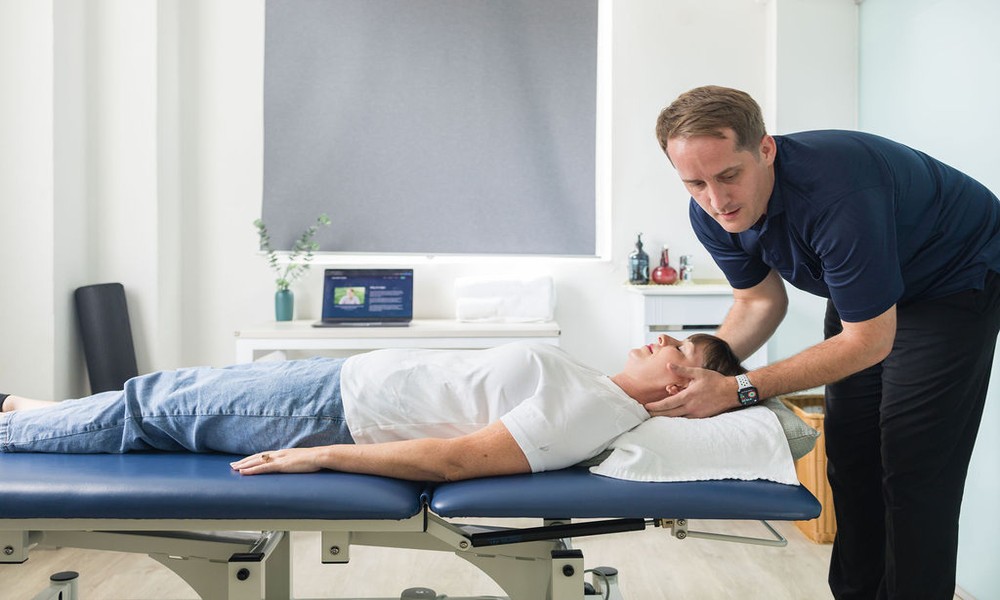
In-clinic chiropractic services for Singapore SME teams address a straightforward operational challenge: smaller businesses rarely have the budget or the staff numbers to justify an on-site corporate wellness programme, but their employees still develop the same musculoskeletal complaints that desk-based work produces in any organisation. The difference is that SME employees who develop back pain, neck stiffness, or repetitive strain often manage it without treatment because the path to accessing professional help feels uncertain or complicated. Chirotherapy’s in-clinic services for SME teams remove that friction.
Why SMEs Are Underserved by Conventional Corporate Wellness
Corporate wellness programmes in Singapore have historically been structured around larger organisations. The economics of deploying a clinical team on-site make sense at scale: a company with three hundred employees can support a monthly clinic day in a way that a company with thirty cannot.
SMEs employing between five and fifty people represent a large portion of Singapore’s private sector workforce, and the musculoskeletal burden in these organisations is not proportionally smaller. The staff members in a twenty-person tech startup are sitting at desks for the same number of hours as their counterparts in a bank. Their posture produces the same complaints. The absence of a formal corporate wellness structure does not make the problem less real.
What In-Clinic Services Offer
In-clinic chiropractic services for Singapore SME teams provide access to professional clinical assessment and treatment at Chirotherapy’s Singapore clinic, with arrangements tailored to the practical realities of smaller teams.
The in-clinic model works well for SMEs for several reasons. Employees can attend during lunch breaks or outside core working hours. The scheduling is flexible enough to accommodate a small team without requiring the organisational overhead of a formal on-site programme. And the clinical setting means each employee receives a proper assessment and targeted treatment rather than the generalised health tips that characterise many lower-cost workplace wellness interventions.
What a Typical Assessment Involves
Each employee attending for an in-clinic assessment can expect the session to cover:
- A history of any current musculoskeletal complaints and their onset
- Assessment of posture and movement patterns that may be contributing to pain
- Palpation of the affected areas to identify soft tissue tension, joint restriction, or nerve involvement
- A clear explanation of the findings and the recommended course of action
For employees with no current complaints, a preventive assessment identifies the patterns that are most likely to develop into problems and provides targeted advice before symptoms emerge.
Chiropractic Treatment for Common SME Presentations
The most frequently presenting complaints among SME employees at Chirotherapy’s clinic are consistent with the conditions that prolonged desk work produces:
- Lower back pain, particularly at the lumbar and lumbosacral junction
- Upper back and shoulder tension, often radiating into the neck
- Cervicogenic headaches originating from restriction in the upper cervical vertebrae
- Wrist and forearm discomfort associated with keyboard and mouse use
- Hip flexor tightness from sustained seated posture
Each of these is treatable with chiropractic adjustment, soft tissue therapy, or a combination of both, depending on what the assessment reveals.
“We should not wait until we are sick before we take care of our health,” Lee Hsien Loong observed in speaking about Singapore’s approach to preventive medicine. That principle applies as directly to the musculoskeletal health of a ten-person SME team as to the national health screening programmes it was said in reference to.
SME Packages and Corporate Accounts
Chirotherapy’s SME chiropractic access programme can be arranged through a corporate account that allows the employer to provide clinical access to employees as a staff benefit without requiring each individual to navigate the booking and billing process independently.
The most common arrangements for SMEs include:
- A block of sessions allocated to the team for use across a defined period
- Subsidised rates for employees of registered corporate clients
- A designated staff benefits account that employees book against directly
- Periodic team assessments at the clinic as a quarterly or biannual benefit
Each of these can be structured to fit the employer’s budget and the team’s likely level of use.
The Case for Preventive Investment
The financial case for providing in-clinic chiropractic access to an SME team is more direct than most employers initially assume. The cost of a block of preventive assessment sessions is considerably lower than the cost of replacing an employee who develops a chronic pain condition that becomes incompatible with sustained desk work.
Absenteeism associated with musculoskeletal conditions costs Singapore businesses considerably more per year than the investment required to prevent most of those conditions from becoming serious. For an SME where each team member carries a significant portion of the total workload, a single sustained absence has a disproportionate impact on delivery capacity.
In-clinic chiropractic services for Singapore SME teams are a practical, accessible, and cost-effective way to manage that risk before it materialises.