
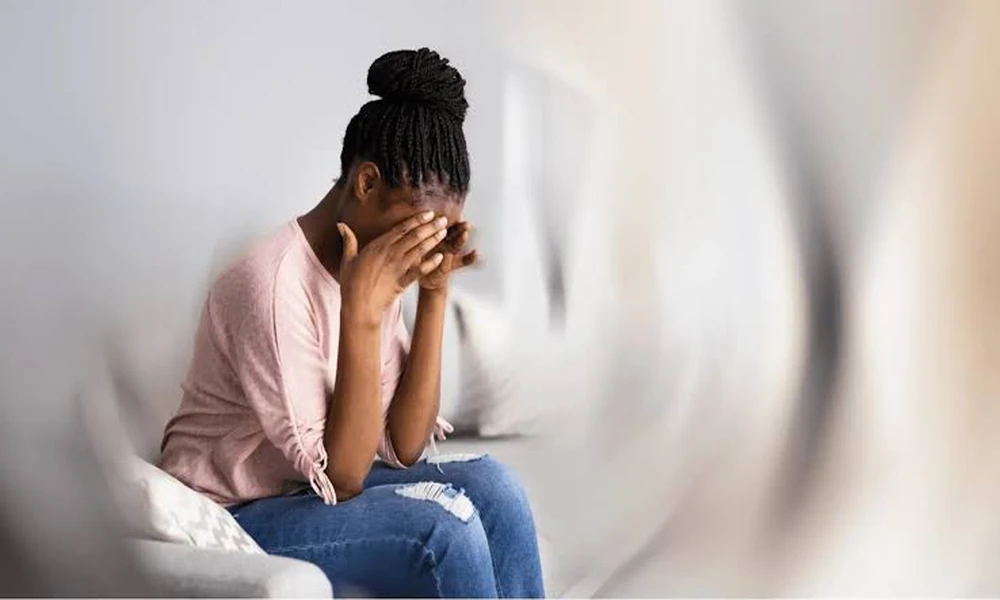
Hormones are chemicals that send messages to the body, affecting metabolism, sleep, mood, reproduction, growth and energy. Hormone changes can cause a variety of symptoms since it involves many systems. Some changes will be transitory and are a normal part of life and some may be signs of a health problem and may need a professional health focus.
Recognizing Possible Hormonal Changes
The symptoms of hormonal imbalance vary from person to person. These symptoms may be different if certain hormones are affected, if there is a drastic change in hormone levels, or if the individual is older or unwell. Some individuals may have one change present, others may have several changes in the same time period.
Common symptoms include unexplained weight changes, constant fatigue, sleep disturbances, mood swings, trouble focusing, sexual libido changes and irregular periods. There can be a number of different causes of the symptoms and having one doesn’t necessarily indicate that you are hormone imbalanced.
When to Consult a Hormone Specialist
Consult a health care professional who has been trained in the care of individuals with medical and psychiatric issues if these symptoms continue or if they begin to interfere with daily activities; to discover what might be causing it. A hormone specialist Salt Lake City can go over symptoms as well as medical history and other factors to determine if further testing is warranted.
A professional evaluation is particularly useful as the symptoms relating to the hormonal shifts may be confused with other conditions. The correct clinical and laboratory examinations can provide clues to what is happening, besides the symptoms.
Unexplained Weight Changes
Weight loss or gain can sometimes go hand-in-hand with hormonal changes. A number of other hormones are involved in the metabolism, including thyroid hormones, insulin, cortisol and the reproductive hormones.
Weight loss or gain can also be caused by other medical reasons, diet changes, medications, stress, sleep disturbances, etc. If there is a persistent change in behavior or emotions that cannot be explained, it should be looked at in a more in-depth way and not assumed to be due to a hormone change.
Fatigue and Sleep Problems
One other sign of hormonal fluctuations may be feeling overly tired after a full night’s sleep. Hormones impact sleep-wake cycles, metabolism and stress.
Or, if someone is tired during the day, it can cause them to get even less sleep the same night-this cycle can be vicious. If experiencing tiredness is ongoing, it is important to discuss with a health care provider to see if hormones or other causes might be at play.
Mood and Concentration Changes
Brain functions and emotional state can be affected by hormones. For some, there is a sense of irritability, depression, anxiety, distracted or foggy in mind during the time of hormonal fluctuation. But these symptoms do not necessarily mean hormonal imbalance. They may be like the feelings that occur when you are stressed, when you don’t get enough sleep, when you don’t eat enough, when you take medicines or when you have mental health problems.
Modifications in Reproductive Health
Hormonal changes can also affect reproductive functions. Symptoms may vary from person to person and involve irregular periods, heavy periods, light periods, hot flashes, decreased libido or other symptoms of the reproductive system. There are also symptoms that men may notice from the changes in testosterone, such as a decrease in libido, loss of energy, and muscle changes.
Understanding What Your Symptoms Mean
Hormonal symptoms are sometimes subtle, and can be hard to interpret. Best practice is to look at any recurring or important changes within the wider health context. Information about symptoms, their frequency and when they occur may be helpful when seeking medical advice.
If symptoms are thought to be due to hormones, with careful evaluation the healthcare professional can see whether the level of hormones in the system might be a cause of those symptoms, and suggest appropriate interventions depending on the individual’s situation.