
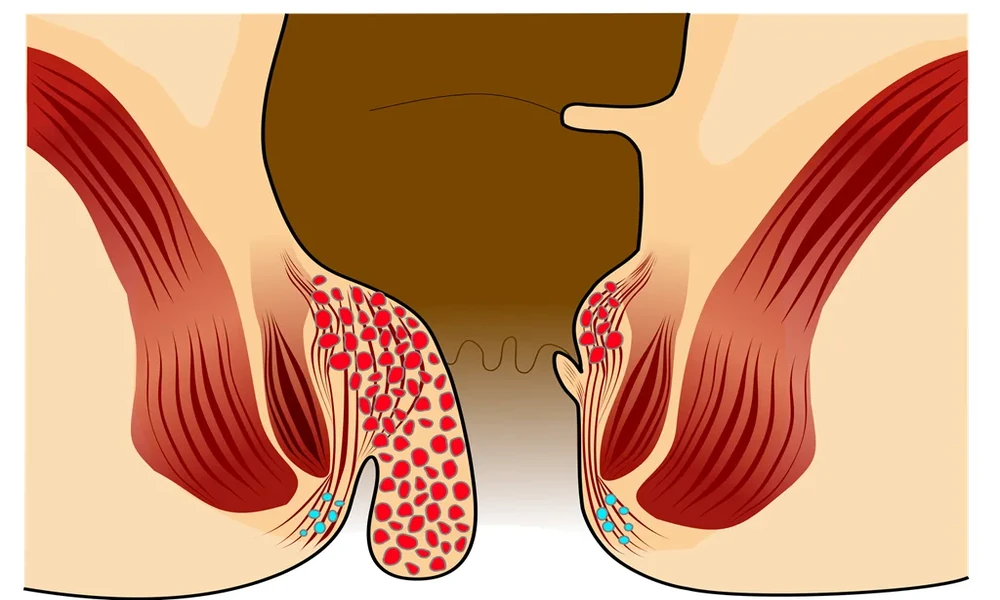
Bleeding after passing stool, a lump near the anus, itching or pain while sitting: these are the usual reasons people look up piles. Most cases settle with diet and simple measures, and only a minority need a procedure. This guide explains how piles are graded, what works at home, which procedures hospitals offering piles treatment in bangalore commonly provide, what they cost, and when symptoms should not wait.
First, is it really piles?
Piles (haemorrhoids) are swollen blood vessels inside or around the anus. Two other conditions cause similar complaints and are often confused with them:
- Anal fissure: a small tear in the lining, causing sharp pain during and after passing stool with a streak of bright red blood.
- Fistula: an abnormal tunnel from the anal canal to the skin, usually with recurrent pus discharge or a boil that keeps returning.
The treatments differ, so an examination matters before you self-treat. Bleeding from the back passage in anyone over 40, or with weight loss, change in bowel habit or a family history of bowel cancer, needs a colonoscopy to rule out other causes.
How piles are graded
Internal piles are graded by how far they come out (prolapse):
| Grade | What happens | Usual approach |
|---|---|---|
| I | Bleed but do not prolapse | Diet, fluids, creams |
| II | Prolapse on straining, go back on their own | Diet plus banding or sclerotherapy if bleeding persists |
| III | Prolapse and must be pushed back by hand | Banding, laser, stapler or conventional surgery |
| IV | Permanently out, cannot be pushed back | Surgery (laser, stapler or open) |
External piles sit under the skin at the anal opening and can become suddenly painful if a clot forms (thrombosed pile), which may need a small procedure within 48-72 hours.
Home care that genuinely helps
For grade I and II piles, and as a lifelong habit afterwards, these measures reduce bleeding and prevent recurrence:
- Fibre: 25-30 g a day from vegetables, fruit, whole grains, dals and isabgol (psyllium husk).
- Fluids: 2-3 litres a day, more in summer.
- Toilet habits: go when the urge comes, do not strain, do not sit for more than a few minutes, and keep phones out of the bathroom.
- Sitz bath: sitting in warm water for 10-15 minutes two or three times a day eases pain and spasm.
- Short-term medicines: stool softeners, a flavonoid tablet or a cream with a local anaesthetic, used for a few weeks as prescribed.
- Movement: daily walking; long hours of desk sitting or two-wheeler riding worsen symptoms.
If bleeding continues beyond two to three weeks of proper home care, or the lump keeps prolapsing, it is time to discuss a procedure.
Procedures: what they involve
- Rubber band ligation: a small band is placed at the base of an internal pile in the outpatient clinic, cutting off its blood supply so it falls off within a week. No anaesthesia, back to work the next day. Suited to grade I-III.
- Sclerotherapy or infrared coagulation: injection or heat to shrink small bleeding piles. Also outpatient.
- Laser haemorrhoidoplasty: a fine laser fibre shrinks the pile from inside under short anaesthesia. Daycare procedure, less post-operative pain, return to desk work in 3-5 days. Mainly grade II-III.
- Stapled haemorrhoidopexy (MIPH): a circular stapler lifts and fixes prolapsing tissue. Usually one night in hospital, less pain than open surgery, suited to circumferential grade III-IV.
- Open or closed haemorrhoidectomy: the pile is cut out. The most durable option for large grade IV or mixed piles, but recovery takes 2-3 weeks and is more painful.
A detailed comparison of these options is on the hospital’s haemorrhoids treatment page.
Indicative costs in Bengaluru
Costs vary widely by hospital, room category, surgeon and insurance. As a rough guide only: banding or sclerotherapy INR 5,000-15,000 per session; laser or stapler procedures INR 40,000-90,000; conventional haemorrhoidectomy INR 30,000-70,000. These are approximate; the exact estimate comes from the treating surgeon after examination. Most health insurance policies cover piles surgery after the waiting period, and daycare laser procedures are increasingly included.
Which doctor to see
A general surgeon or a colorectal (proctology) surgeon diagnoses and treats piles, including all the procedures above. A gastroenterologist is the right first stop if bleeding comes with altered bowel habit or if a colonoscopy is needed. Before booking a piles doctor in bangalore, check that the hospital offers both outpatient options (banding) and operative options (laser, stapler, open), so the choice is based on your grade and not on what equipment happens to be available.
Recovery and preventing a comeback
- Expect some bleeding for a week or two after any procedure; heavy bleeding, fever or inability to pass urine needs a call to the hospital.
- Keep stools soft with fibre and fluids for life; constipation is the commonest reason piles return.
- Avoid heavy lifting for two weeks after surgery.
- Attend the follow-up visit so healing can be checked.
When not to wait
Seek care within a day or two for severe pain with a hard lump (possible thrombosed pile), heavy or continuous bleeding, dizziness with bleeding, fever with anal pain or discharge, or any bleeding in someone over 40 or with a family history of bowel cancer. Hospitals providing piles treatment in bangalore usually have both general surgery and gastroenterology departments, so the first step is a proper examination to confirm what is actually causing the symptoms.
Disclaimer: This article is for general information only and is not a substitute for medical advice. Please consult a qualified doctor for the diagnosis and treatment of piles.