

Comprehensive Approaches to Health, Wellness, and Pain ManagementThe Pillars of Physical and Mental Health and Wellness
In May 2026, our understanding of health and wellness has profoundly expanded. We now recognize it as much more than simply being free from illness. It is a proactive state of being that requires intentionality and a deep understanding of how our biological systems interact with our environment.
Defining Modern Health and Wellness
Health, in its modern context, is a dynamic state of complete physical, mental, and social well-being. The World Health Organization (WHO) defines it not merely as the absence of disease, but as a vital resource for everyday life. This means moving beyond a traditional biomedical model to embrace a holistic view, where health is an ongoing process of building resilience and vitality. This holistic perspective is often referred to as the biopsychosocial model. Unlike the traditional biomedical model, which focuses primarily on physical pathology and biological factors, the biopsychosocial model recognizes that biological, psychological, and social factors all play a significant role in human functioning. This shift is vital because it allows for more personalized care that addresses the root causes of health issues rather than just suppressing symptoms. We acknowledge that our mental health is truly one of our greatest assets, profoundly influencing every facet of our well-being. Understanding and nurturing all aspects of health, including specialized areas like neurodevelopmental health, is crucial for fostering overall well-being. Comprehensive insights are often essential for addressing these complex needs, contributing to a more complete view of Health and Wellness.
Determinants of Long-term Vitality
Our long-term vitality is shaped by a complex interplay of factors. We see that social and economic environments, our physical surroundings, and individual characteristics and behaviors all act as crucial determinants of health. For instance, approximately 36 million people worldwide die each year from non-communicable diseases, highlighting the impact of these determinants. Furthermore, around 1 billion people still lack access to essential healthcare systems globally, underscoring significant disparities.
We must also consider the role of epigenetics-the study of how your behaviors and environment can cause changes that affect the way your genes work. Unlike genetic changes, epigenetic changes are reversible and do not change your DNA sequence, but they can change how your body reads a DNA sequence. This means that our lifestyle choices, from the food we eat to the amount of stress we endure, can literally influence our genetic expression. Furthermore, the ‘built environment’-the human-made surroundings that provide the setting for human activity-significantly impacts our health. Access to green spaces, walkable neighborhoods, and clean air are not just luxuries; they are fundamental determinants of our long-term vitality.
This introduction sets the stage for a deeper exploration into these vital aspects of health, wellness, and effective pain management.
Achieving optimal health and wellness requires a multi-faceted approach, recognizing the interconnectedness of our physical and mental states. It’s not just about avoiding illness, but actively cultivating a lifestyle that promotes thriving.
At the core of this pursuit are fundamental elements such as nutrition, physical exercise, mental health, and stress management. These pillars support our overall well-being, allowing us to build resilience against life’s challenges. The journey towards comprehensive wellness often involves understanding how our daily choices impact our brain health, as illustrated by the stark differences between anti-inflammatory and processed diets.
Nutrition, Exercise, and the Sleep Revolution
What we consume, how we move, and how we rest are foundational to our physical and mental health. Nutrition provides the building blocks for every cell in our body. A balanced diet, focusing on whole, unprocessed foods, fuels our energy, supports cognitive function, and strengthens our immune system. The connection between our gut and our brain, often called the gut-brain axis, is a primary example of this interconnectedness. The gut is home to trillions of microbes that make up the microbiome, which communicates directly with the central nervous system. Remarkably, about 90% of the body’s serotonin, a neurotransmitter that regulates mood and sleep, is produced in the gut. Mindful eating practices, where we pay attention to our body’s hunger and fullness cues, can prevent overeating and foster a healthier relationship with food.

Physical exercise is equally vital. Regular activity, encompassing both endurance and strength training, not only maintains a healthy weight and cardiovascular function but also significantly boosts mood and cognitive performance. Strength training, in particular, helps maintain muscle mass and metabolic health as we age, while aerobic exercise improves the efficiency of our heart and lungs. It’s a powerful tool for stress reduction and enhancing overall vitality.
The importance of sleep cannot be overstated. It’s during sleep that our bodies repair, minds consolidate memories, and hormones regulate. During the deeper stages of sleep, the brain’s glymphatic system becomes highly active. This system acts as a waste clearance pathway, flushing out metabolic toxins, such as beta-amyloid, which are associated with neurodegenerative diseases. Insufficient sleep can impair cognitive function, weaken immunity, and increase the risk of chronic diseases. Recommended sleep guidelines vary by age: adults typically need 7-9 hours, while teenagers (ages 13-18) require 8-10 hours per night. Ensuring adequate, quality sleep is a non-negotiable component of a healthy lifestyle. For those seeking specific support for sleep or mental well-being, exploring targeted interventions can be beneficial. For example, some individuals find that specific supplements, like magnesium, play a crucial role in promoting relaxation and improving sleep quality. We’ve seen how a truly Game-changing PANS treatment can significantly improve the quality of life for children suffering from neurodevelopmental conditions, highlighting the profound impact of holistic and innovative health solutions.
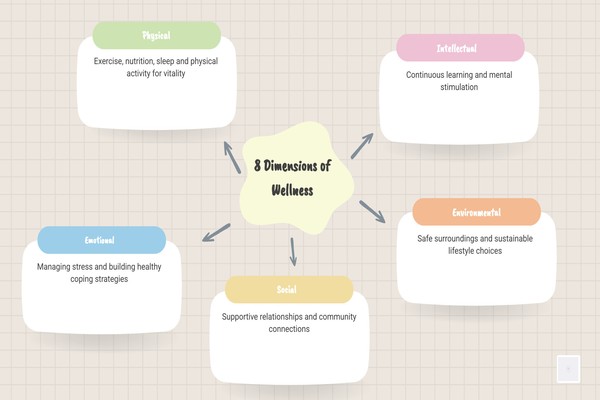
Managing Stress and Chronic Pain
Mental health and stress management are integral to overall wellness. Chronic stress can lead to elevated cortisol levels, impacting everything from immune function to digestion and sleep. When stress becomes chronic, it can lead to a phenomenon known as central sensitization. This is a condition where the nervous system goes into a persistent state of high reactivity, lowering the threshold for pain and maintaining it even after the initial injury has healed. Unmanaged stress is a significant contributor to various physical and mental health issues, including anxiety, depression, and even chronic pain. Learning effective coping mechanisms, such as mindfulness, meditation, deep breathing exercises, and spending time in nature, is crucial for regulating our nervous system and fostering emotional resilience.
The burden of mental health challenges is substantial, with approximately 20% of all adults in the US considered diagnosable with a mental disorder. This statistic underscores the widespread need for accessible mental health resources and strategies. For individuals experiencing persistent discomfort, understanding the complexities of chronic pain and exploring comprehensive management strategies is essential. Restoring well-being often involves a multidisciplinary approach, integrating physical therapy, psychological support, and sometimes even innovative treatments. We encourage individuals to seek expert guidance for Restoring health and wellness when dealing with complex pain conditions, as tailored approaches can make a significant difference.
What You Can Do Right Now: A Roadmap to Resilience
Empowering ourselves to take charge of our health involves proactive steps, from understanding our healthcare options to adopting daily habits that build long-term resilience. This journey is not about perfection but about consistent progress and making informed decisions that align with our personal health goals.
This roadmap includes utilizing preventive measures, engaging in regular screenings and vaccinations, and integrating self-care strategies into our daily routines. Even small, consistent microhabits can lead to significant improvements over time. Furthermore, leveraging public health initiatives and community resources can provide invaluable support on our wellness journey.
Navigating Care and Preventive Measures
Accessing and navigating health insurance and care options can seem daunting, but it’s a critical step in maintaining health. Understanding your health plan, whether it’s private insurance, Medicare, or Medicaid, is essential for utilizing covered services. Primary care physicians serve as your first point of contact, coordinating your care and guiding you through the healthcare system. Developing health literacy-the ability to find, understand, and use information and services to inform health-related decisions-is a powerful tool for self-advocacy. In an era of information overload, being able to discern evidence-based medical advice from anecdotal claims is essential.
This includes understanding the oral-systemic connection. Research has shown that periodontal disease is linked to an increased risk of heart disease, diabetes, and even certain types of dementia. Comprehensive wellness also necessitates attention to these often-overlooked areas. Consulting experts like Dr. Grossman for Health & Wellness can provide a more integrated approach to your long-term vitality, ensuring that oral health is managed as a component of systemic wellness.
Preventive measures are the cornerstone of long-term wellness. This includes scheduling yearly doctor visits for routine check-ups, which can detect potential issues early. Essential screenings, such as blood pressure checks, cholesterol tests, and cancer screenings, are recommended based on age, gender, and risk factors. Vaccinations, crucial for preventing infectious diseases, play a significant role in public health, protecting both individuals and communities. The effectiveness of these measures is evident in historical trends; for example, life expectancy for Americans has increased by thirty years since 1900, largely due to advancements in public health and preventive medicine. Public health initiatives and community resources, from local health departments offering free screenings to workplace safety programs, provide vital support for individual wellness, creating environments that encourage healthier choices.
FAQs: Common Health and Wellness Questions
We often receive questions about practical steps individuals can take to enhance their health. Here are some common inquiries and insights:
- How much sleep do teenagers really need? Teenagers (ages 13-18) generally require 8-10 hours of sleep per night. This is crucial for their physical development, cognitive function, and emotional regulation. Teenagers need more sleep because their circadian rhythms naturally shift later during puberty, a phenomenon known as sleep phase delay. This makes it harder for them to fall asleep early, yet they still require significant rest for optimal brain development. Lack of sleep in teens is linked to higher rates of depression and academic struggles.
- What are common warning signs of mental health issues? Persistent sadness, loss of interest in activities, changes in sleep or appetite, increased irritability, difficulty concentrating, and social withdrawal can all be indicators. Warning signs often manifest as a change in baseline behavior. For instance, if a normally social person becomes withdrawn, or if a calm individual becomes frequently irritable, these are signals that the ‘window of tolerance’-the zone where we can effectively manage our emotions-has been exceeded. Seeking professional help early is key.
- How does nutrition impact focus and concentration? A balanced diet rich in omega-3 fatty acids, antioxidants, and complex carbohydrates supports brain health and sustained focus. Avoiding excessive sugar and processed foods can prevent energy crashes. Nutrients like zinc, iron, and B vitamins are essential for neurotransmitter synthesis, which directly affects how we process information and maintain attention throughout the day.
- What role does magnesium play in mental health and sleep? Magnesium is a vital mineral involved in over 300 biochemical reactions in the body, including those that regulate neurotransmitters and promote relaxation. Many people find that supplementing with magnesium can help with anxiety, stress, and improving sleep quality. Magnesium is often called the ‘master mineral’ because it is a cofactor in so many enzymatic reactions. For a deeper dive into this, we recommend exploring resources on Mental Health and Magnesium and specifically how Magnesium L-Threonate for Sleep can be beneficial. Magnesium glycinate is highly bioavailable and often recommended for relaxation, while magnesium malate may be better for energy and muscle recovery.
- How can I tell if I have a magnesium deficiency? Symptoms can be varied and include muscle cramps, fatigue, irritability, anxiety, and difficulty sleeping. If you suspect a deficiency, it’s best to consult a healthcare professional. You can learn more about the Warning Signs Symptoms Magnesium Deficiency to better understand these indicators. Because soil depletion has reduced the magnesium content in many foods, supplementation is becoming a common strategy for maintaining equilibrium.
Adopting self-care strategies and making conscious lifestyle choices are paramount for long-term health and resilience. This includes practicing microhabits like daily meditation, short walks, or healthy meal prepping. Building a supportive community, engaging in hobbies, and setting boundaries are all part of nurturing a resilient and healthy self.