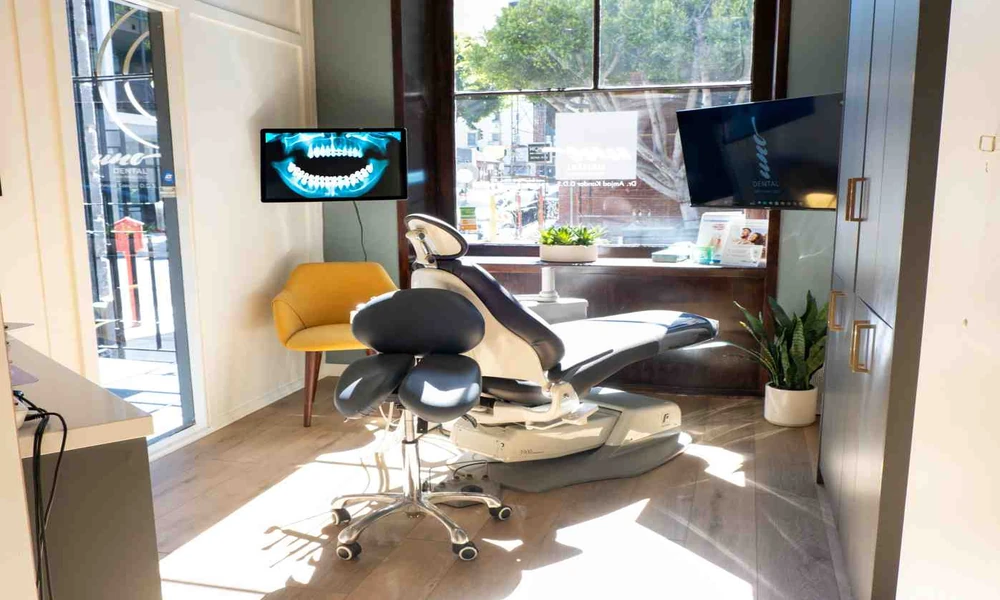
The Core Pillars of Comprehensive Dental Care
Comprehensive dental care is far more than just addressing immediate problems; it’s a holistic approach to maintaining optimal oral health, which, in turn, supports overall systemic wellness. It encompasses a wide range of services designed to prevent, diagnose, and treat dental conditions, ensuring your smile remains healthy and functional for years to come.
At its heart, comprehensive care focuses on the interconnectedness of your oral health with your entire body. This includes not only your teeth and gums but also the surrounding structures, jaw joints, and even how dental issues might impact your general health. This philosophy guides us in recommending treatments that are effective, long-lasting, and contribute positively to your quality of life.
Preventive and Restorative Synergy
The foundation of comprehensive dental care lies in a strong emphasis on prevention. Regular dental cleanings and thorough examinations are crucial for identifying potential issues before they escalate into more complex and costly problems. Our goal is always to preserve your natural teeth whenever possible. This often involves treatments like composite fillings for cavities, which blend seamlessly with your natural tooth color, or root canals to save an infected tooth from extraction. By proactively addressing decay and infection, we can prevent tooth loss and maintain the integrity of your dental arch.
Advanced Diagnostics in Comprehensive Dental Care
Modern dentistry leverages cutting-edge technology to enhance diagnostic accuracy and treatment planning. Tools like 3D imaging, digital X-rays, and Cone Beam Computed Tomography (CT scans) provide an incredibly detailed view of your oral anatomy, including bone structure, nerves, and soft tissues. This advanced insight allows for early detection of issues that might be invisible to the naked eye or traditional X-rays, such as subtle bone loss, hidden infections, or structural anomalies. For complex procedures like dental implant placement, these diagnostics are indispensable, enabling precise planning and predictable outcomes.
Restoring Function and Aesthetics with Modern Implantology
When tooth loss occurs, whether due to trauma, decay, or gum disease, it can have significant consequences beyond just aesthetics. Missing teeth can lead to jawbone resorption, causing the facial structure to sag and age prematurely. It can also impair chewing ability, speech, and overall confidence. Fortunately, modern implantology offers a sophisticated and highly effective solution.
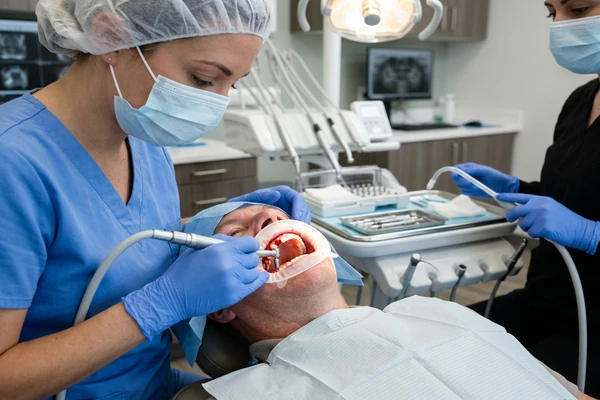
Dental implants are widely considered the gold standard for tooth replacement because they mimic the natural tooth structure, from root to crown. They provide a stable foundation that traditional bridges or dentures simply cannot match.
The Role of Dental Implants in Comprehensive Dental Care
A dental implant consists of a small, biocompatible titanium post that is surgically placed into the jawbone beneath the gum line. Over time, this post fuses with the surrounding bone in a process called osseointegration, creating a strong and durable anchor. Once integrated, an abutment is attached to the implant, and a custom-made crown is placed on top, restoring the appearance and function of a natural tooth.
Dental implants are versatile and can be used to replace a single missing tooth, multiple teeth, or even an entire arch. They prevent bone loss, maintain the integrity of adjacent teeth (unlike bridges which require altering healthy teeth), and offer unparalleled stability for chewing and speaking. If you’re exploring options for high-quality yet accessible dental implants in the Bay Area, you might find valuable resources on UNO DENTAL affordable dental implants, which can guide you through various solutions tailored to your needs.
Same-Day Restorations and Innovative Protocols
Advancements in dental implant technology have led to innovative protocols like “Teeth-in-a-Day” or “All-on-4” procedures. These techniques allow for the placement of implants and a temporary (or sometimes even permanent) restoration in a single visit, significantly reducing treatment time and allowing patients to leave with a functional smile on the same day. This immediate loading capability is particularly beneficial for those replacing an entire arch of teeth.
While the convenience of same-day restorations is appealing, it’s important to understand the recovery process. Osseointegration still needs to occur, meaning patients typically follow a soft diet for several weeks or months to ensure the implants heal properly without undue stress. This careful post-operative care is crucial for the long-term success of the implants.
To help illustrate the advantages of dental implants, let’s compare them to other common tooth replacement options:
Feature Dental Implants Dental Bridges Dentures (Partial/Complete) Anchoring Surgically fused to jawbone (titanium post) Anchored to adjacent natural teeth Rests on gums (partial may clasp to teeth) Bone Health Preserves jawbone, prevents resorption Does not prevent bone loss Does not prevent bone loss, can accelerate it Durability 30+ years, often lifetime 5-15 years 5-10 years (requires relining/replacement) Stability Excellent, feels like natural teeth Good, but can put stress on adjacent teeth Can slip, shift, or cause discomfort Maintenance Brush and floss like natural teeth Requires special cleaning under bridge Requires daily removal, cleaning, and adhesives Adjacent Teeth No impact on healthy adjacent teeth Requires grinding down adjacent healthy teeth No impact on adjacent teeth (partial may) Cost (Initial) Higher Moderate Lower Long-term Value High (durability, bone preservation) Moderate (potential for adjacent tooth issues) Lower (ongoing costs, bone loss issues) Aesthetics Excellent, natural look Good, but can sometimes show metal Can look natural, but fit can change over time Functionality Excellent (chewing, speaking) Good Can be challenging (chewing, speaking) Financial Accessibility and Modern Dental Solutions
The perception that high-quality dental implants are prohibitively expensive is a common barrier for many. However, the landscape of dental care, particularly in a vibrant city like San Francisco, is evolving to make these life-changing treatments more accessible. While it’s true that dental implants represent a significant investment, understanding the factors influencing cost and the available financial solutions can make them a realistic option.
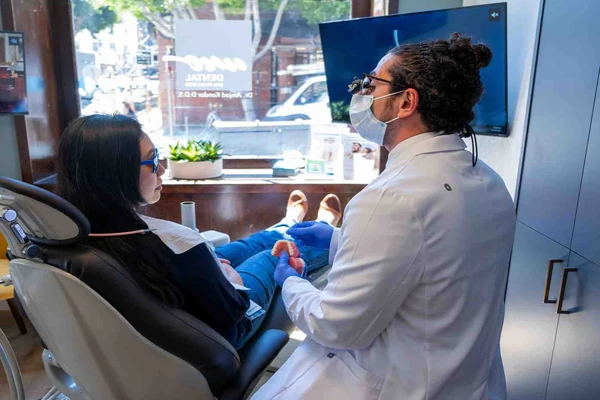
It’s crucial to distinguish between “cheap” and “affordable.” True affordability in dental implants means receiving high-quality care that is budget-friendly without compromising on materials, expertise, or long-term success. Reputable providers achieve this through efficiency, leveraging the latest dental technologies, and creating tailored treatment plans that optimize outcomes. As one source noted, some dental centers can offer fees that are “30% less on average than comparative treatment at other dental centers” due to streamlined processes, in-house labs, and comprehensive service offerings.
What Influences the Total Cost?
The total cost of dental implants in San Francisco can vary widely because it’s highly individualized. Several factors come into play:
- Number of Implants: Replacing a single tooth will naturally cost less than multiple teeth or a full arch reconstruction.
- Additional Procedures: Many patients require preparatory treatments such as tooth extractions or bone grafting (including sinus lifts) to ensure sufficient bone density for implant placement. These procedures add to the overall cost. For instance, dental implant costs in San Francisco can range from approximately “$2,259” for fixture placement alone to “$8,000” for complete reconstruction with significant bone grafting.
- Type of Implant and Restoration: Different types of implants (e.g., standard, mini, zirconia) and the complexity of the final restoration (single crown, bridge, or full denture) influence pricing. Customized restorations, while more expensive, often provide superior fit and aesthetics.
- Practitioner’s Expertise and Technology: Specialists like oral and maxillofacial surgeons, who have extensive training in implantology, may have different fee structures compared to general dentists. The use of advanced technology like 3D imaging for precise placement also contributes to the overall value and success rate.
- Anesthesia: The type of anesthesia used (local, sedation, general) will impact the cost.
Considering these variables, the average cost for a single dental implant in San Francisco typically falls within “$3,000-$5,000” per tooth. For a reconstruction of the entire jaw, costs can range from “$15,000-$30,000.” A single jaw fixed denture, for example, might cost between “$15,000” and “$25,000.” These are averages, and a personalized consultation is essential for an accurate estimate. As many clinics emphasize, it’s impossible to give accurate pricing over the phone without a thorough evaluation and treatment plan.
Maximizing Insurance and Flexible Financing
Navigating the financial aspect of dental implants requires understanding your insurance benefits and exploring various payment solutions.
- Dental Insurance: While many dental insurance plans, particularly PPO (Preferred Provider Organization) plans, may cover some portion of dental implant procedures, coverage can vary significantly. Often, insurance might cover diagnostic procedures (X-rays, consultations), extractions, or bone grafting, but may have limitations on the implant fixture or the final restoration. It’s crucial to work with your provider to understand your specific benefits and maximize your coverage. Many offices accept a wide range of plans and assist with paperwork.
- Third-Party Financing: Companies like CareCredit, LendingClub, and ProceedFinance specialize in healthcare lending, offering payment plans with varying interest rates, including options for interest-free periods. These can break down the total cost into manageable monthly payments.
- In-Office Payment Plans: Many dental practices offer their own flexible payment plans, allowing patients to pay for their treatment over several months. This is often an excellent option, especially for uninsured patients.
- In-Office Membership Plans: For those without traditional dental insurance, some practices offer in-office membership plans. These plans typically involve an annual fee and provide discounts on various services, including dental implants, making quality care more affordable.
- Dental School Clinics: University dental schools, such as the University of the Pacific, Arthur A. Dugoni School of Dentistry, often provide dental implant services at reduced fees compared to private practices. This is because treatment is performed by student dentists under the direct supervision of experienced faculty specialists. While the treatment timeline might be longer, it can be a highly affordable option for many.
When evaluating providers, always request a comprehensive treatment plan that includes all anticipated costs, with no hidden charges. This transparency is a hallmark of a patient-centered practice dedicated to making quality dental care accessible.
Frequently Asked Questions
Understanding the complexities of comprehensive dental care and dental implants can lead to many questions. Here, we address some of the most common inquiries to help you make informed decisions about your oral health.
What does comprehensive dental care typically include?
Comprehensive dental care is a holistic approach that covers all aspects of your oral health. It typically includes:
- Preventive Care: Regular dental exams, professional cleanings, fluoride treatments, and dental sealants to protect against cavities and gum disease.
- Advanced Diagnostics: Utilizing state-of-the-art imaging like digital X-rays, 3D scans (CT scans), and intraoral cameras for early detection of issues.
- Restorative Treatments: Procedures to repair damaged teeth, such as composite fillings for cavities, crowns for weakened teeth, root canal therapy for infected pulp, and extractions when necessary.
- Periodontal Therapy: Treatments for gum disease, ranging from deep cleanings (scaling and root planing) to more advanced surgical interventions to restore gum health.
- Tooth Replacement Options: Solutions for missing teeth, including dental implants, bridges, and dentures.
- Cosmetic Dentistry: Procedures like teeth whitening, veneers, and bonding to enhance the aesthetics of your smile.
- Orthodontics: Treatments like braces or clear aligners (Invisalign) to correct misaligned teeth and bite issues.
- Oral Surgery: Including wisdom tooth extractions, bone grafting, and other surgical procedures related to the mouth, jaw, and face.
The goal is to provide a complete picture of your oral health and develop a personalized treatment plan that addresses both immediate needs and long-term well-being.
How do dental implants fit into a comprehensive treatment plan?
Dental implants play a pivotal role in comprehensive treatment plans, especially when tooth loss has occurred. They are not just a cosmetic fix but a fundamental solution for restoring function, preserving oral health, and maintaining facial structure.
When a tooth is lost, the jawbone beneath it begins to resorb or shrink due to lack of stimulation. This can lead to a host of problems, including shifting adjacent teeth, bite collapse, and a sunken facial appearance. Dental implants act as artificial tooth roots, stimulating the jawbone and preventing this bone loss. This makes them the only tooth replacement option that actively preserves bone health.
In a comprehensive plan, implants provide:
- Permanent Replacement: They offer a stable, long-lasting solution that looks, feels, and functions like natural teeth.
- Bone Preservation: They prevent jawbone deterioration, maintaining facial contours and supporting surrounding teeth.
- Structural Support: They can anchor single crowns, multi-tooth bridges, or full arch dentures, providing superior stability compared to traditional removable options.
- Improved Oral Health: By filling gaps, they prevent adjacent teeth from shifting and reduce the risk of gum disease and further decay.
The integration of dental implants into a comprehensive plan ensures that the entire oral system is healthy, functional, and aesthetically pleasing.
Is comprehensive dental care affordable without insurance?
Yes, comprehensive dental care, including advanced treatments like dental implants, can absolutely be affordable even without traditional dental insurance. Many modern dental practices in San Francisco recognize the financial challenges and offer various solutions to ensure patients can access the care they need.
- In-Office Membership Plans: These plans are specifically designed for uninsured patients. For an annual fee, members typically receive discounted rates on a wide range of services, including preventive care, restorative treatments, and often a percentage off major procedures like implants. This can represent significant savings compared to paying out-of-pocket.
- Flexible Payment Plans: Most clinics are willing to work with patients to establish customized payment schedules, breaking down the total cost of treatment into manageable monthly installments.
- Third-Party Financing: Healthcare financing companies (e.g., CareCredit, LendingClub, ProceedFinance) offer specialized loans for dental procedures, often with low or even 0% interest options for qualified applicants.
- Dental School Clinics: As mentioned earlier, dental schools provide a more affordable route to high-quality care, with treatments performed by supervised students.
- Preventive Savings: Investing in consistent preventive care (cleanings, exams) can help you avoid more expensive treatments down the line. By catching issues early, you save money in the long run.
When seeking care, always discuss your financial concerns openly with your dental provider. They can help you explore all available options and create a treatment plan that fits both your oral health needs and your budget. The goal is to ensure that financial considerations do not prevent you from achieving a healthy and confident smile.
Conclusion
The journey to a healthy, confident smile, even when facing significant challenges like tooth loss, is more accessible than ever before. Modern approaches to comprehensive dental care, particularly in a forward-thinking city like San Francisco, are redefining what “affordable” truly means. It’s not about cutting corners, but about leveraging advanced technology, efficient practices, and flexible financial solutions to deliver high-quality, long-lasting results.
We’ve seen that comprehensive care extends beyond just treating symptoms, embracing a holistic view of oral health that integrates prevention, restoration, and advanced solutions like dental implants. These innovative treatments offer unparalleled benefits in restoring function, preserving bone health, and enhancing aesthetics, making them a worthwhile investment in your overall well-being.
By understanding the factors that influence costs, exploring various financing options, and choosing a provider committed to transparency and patient-centered care, the dream of affordable dental implants in San Francisco can become a reality. We encourage you to prioritize your oral health, engage in proactive care, and take the first step towards rediscovering the comfort and confidence that a beautiful, functional smile brings. Your long-term health and happiness are worth it.