
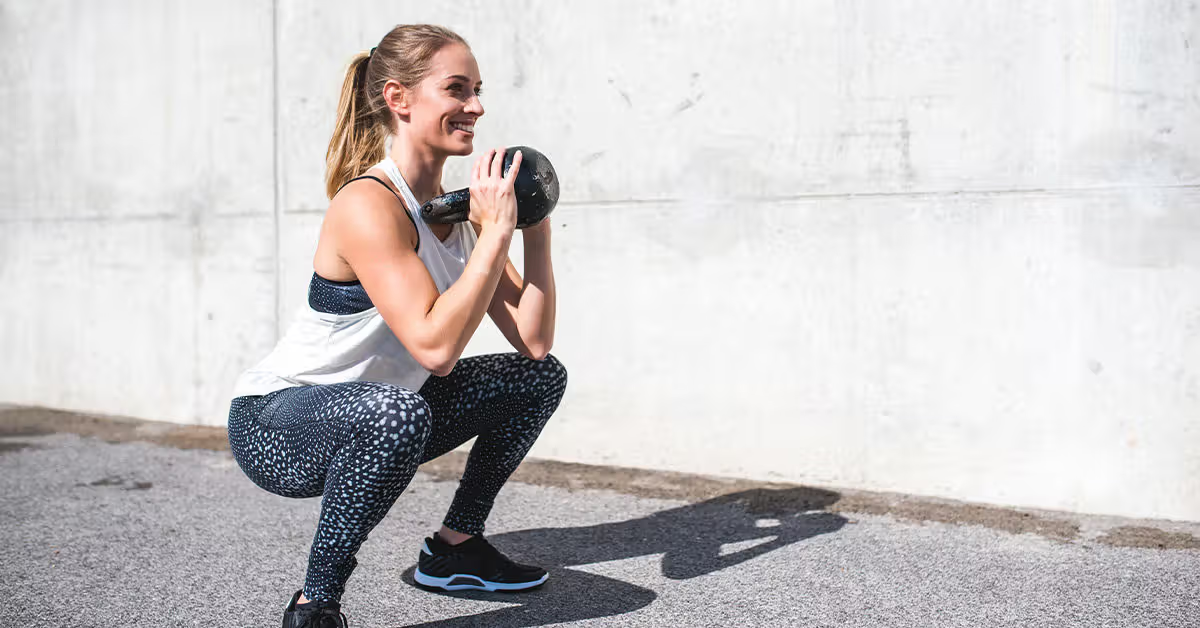
- INTRODUCTION
When creating a workout plan, there’s no one right way to do it. However, working out certain muscle groups together can help you make the most of your time and effort. A good workout routine should improve your strength, flexibility, endurance, and balance.
Strength training helps keep your bones, muscles, and joints healthy. Incorporating group fitness exercises can make strength training more engaging and motivating. Additionally, it can help control cholesterol and blood sugar. Experts suggest doing strength training at least twice a week for better overall health.
-
- MAIN MUSCLE GROUPS
Your body has three types of muscles:
- Cardiac muscles (your heart)
- Smooth muscles (control automatic functions like digestion)
- Skeletal muscles (used in exercise and movement)
Skeletal muscles include:
- Chest
- Back
- Arms
- Abs (abdominals)
- Legs
- Shoulders
Each area has smaller parts. For example:
- Legs: calves, quads, hamstrings, glutes
- Arms: biceps, triceps, forearms
- Shoulders: front, side, and back shoulder muscles
- Back: traps, lats, and rhomboids
- TYPES OF EXERCISES
- Compound (multi-joint) exercises work several muscles at once, like squats, deadlifts, and bench presses.
- Isolation (single-joint) exercises target one muscle at a time, like bicep curls.
Most workout programs mix both types of exercises.
- WHICH MUSCLES TO WORK OUT TOGETHER?
There’s no single rule for grouping muscles, but pairing nearby or related muscles can be effective. Muscles require around 48 hours to properly recover from an exercise, so recovery is also crucial.
Full-body workouts are ideal if you exercise twice a week. Use compound exercises and do light cardio like walking or biking on other days.
If you train 3–4 times a week, split workouts by muscle group. For example:
Beginner Plan:
- Day 1: Chest and shoulders
- Day 2: Legs
- Day 3: Back, abs, and arms
Advanced Plan:
- Day 1: Chest, shoulders, triceps, forearms
- Day 2: Legs (quads, hamstrings, calves, glutes)
- Day 3: Back, biceps, abs, traps, lats
- SAMPLE WEEKLY SCHEDULE
Monday: Arms & Shoulders
- Push-ups, bicep curls, shoulder presses, dips, lateral raises
Wednesday: Legs
- Squats, lunges, Romanian deadlifts, step-ups, calf raises
Friday: Back, Chest & Abs
- Bench press, dumbbell flys, crunches, rows, bicycle crunches
- TYPES OF STRENGTH TRAINING
You can use:
- Resistance bands
- Medicine balls
- Bodyweight
- Free weights
- Machines
Choose what works best for your goals and what’s available to you. Use a weight that you can lift 8–12 repetitions to begin. As you get stronger, lift heavier and reduce reps.
- WHEN TO ASK FOR HELP
A certified trainer can help you create a custom plan and teach you the proper form. They can also help keep you motivated and make workouts more enjoyable.
- CONCLUSION
Strength training is flexible. Whether you use gym equipment or work out at home, you can build a routine that fits your life. Just be sure to give your muscles time to rest between workouts to avoid injury and get the best results.