
Losing teeth can be a life-changing experience, affecting not only your smile but also your ability to eat, speak, and maintain overall oral health. Fortunately, modern dentistry offers a variety of tooth replacement solutions, with dentures remaining one of the most common and effective options. Understanding how dentures work, the types available, and tips for adjusting to them can help you make informed decisions about your oral health.
What Are Dentures and Who Needs Them?
Dentures are removable dental appliances designed to replace missing teeth and the surrounding gum tissue. They restore function and appearance, making it easier to chew, speak, and smile confidently. Dentures are often recommended for individuals who have lost multiple teeth due to age, decay, injury, or gum disease.
Beyond their cosmetic benefits, dentures provide critical support to facial muscles, helping to prevent the sagging appearance that can result from missing teeth. They improve chewing efficiency and can reduce the risk of further oral health problems. Anyone considering dentures should consult a dental professional to determine which type is best suited to their needs. Trusted sources, such as All Smiles Dental, offer helpful information on modern denture options and what patients can expect during treatment.
Full vs. Partial Dentures – Pros & Cons
Dentures generally come in two main varieties: full dentures and partial dentures. Each has advantages and limitations, and the choice depends largely on the number of teeth that need replacement.
Full Dentures: Full dentures replace all teeth in an arch, whether the upper, lower, or both. They are custom-made to fit comfortably over the gums and are often held in place by suction, dental adhesives, or implants. Full dentures restore a complete smile and are ideal for patients who have lost all teeth in an arch. However, they may require an adjustment period as patients adapt to speaking and eating, and some may experience mild gum irritation initially.
Partial Dentures: Partial dentures are designed for patients who still have some natural teeth. They consist of replacement teeth attached to a gum-colored base and are often connected with a metal or acrylic framework that clasps onto remaining teeth. Partial dentures help maintain the alignment of existing teeth, preventing them from shifting over time. While they are typically stable, proper cleaning is essential to avoid plaque buildup and gum irritation.
Understanding the differences between full and partial dentures allows patients to choose a solution that meets both their functional and aesthetic needs.
Everyday Tips for Comfort and Care
Adjusting to dentures can take time, but several strategies can make the process smoother. Mild soreness and increased saliva production are common during the first few weeks. Eating softer foods and cutting them into smaller pieces can help ease the transition.
Proper hygiene is crucial. Dentures should be cleaned daily using a soft-bristled brush and denture-specific cleaner, as regular toothpaste can be too abrasive. Soaking dentures overnight in a denture solution helps maintain their shape and keeps them moist. Routine dental check-ups are also important, as gums and bone structure can change over time, affecting the fit and comfort of dentures.
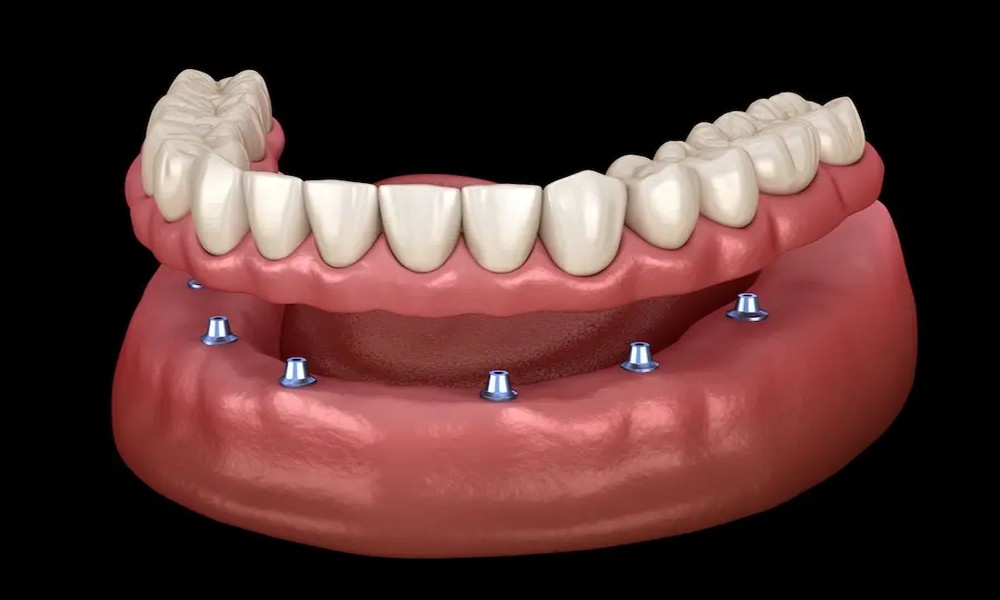
For patients seeking added stability, implant-supported dentures provide a more permanent solution by anchoring the denture to dental implants. This can prevent slipping, improve chewing efficiency, and increase overall comfort.
How Dental Professionals Help Patients Choose the Right Solution
Choosing the right denture involves more than simply selecting full or partial. Dental professionals consider factors such as oral health, jaw structure, bite alignment, and lifestyle preferences to create a personalized treatment plan. This ensures that dentures not only look natural but also function effectively and comfortably.
Consulting with a dentist can provide guidance on the latest materials, fitting techniques, and maintenance strategies to maximize the longevity and effectiveness of dentures. Dental professionals can also address common concerns, such as speech adjustment, bite correction, and aesthetic considerations. With proper planning and support, dentures can significantly improve quality of life, restore confidence, and help protect oral health for years to come.
Conclusion
Dentures remain a reliable and effective solution for replacing missing teeth, offering both functional and cosmetic benefits. By understanding the types of dentures available, how they work, and how to care for them, you can make informed decisions about tooth replacement that enhance your oral health and overall quality of life. Whether choosing a full or partial denture, consulting a dental professional ensures the best fit, comfort, and long-term results.