
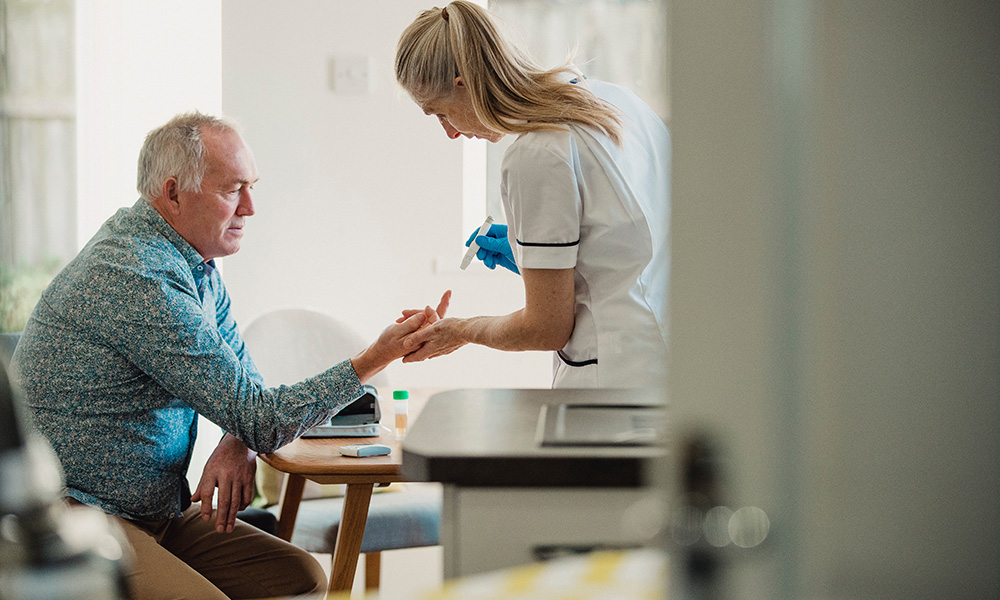
Health problems often begin with small daily issues. A missed medicine dose, an unsafe step in the bathroom, or a skipped meal may look minor at first. But for older adults or people with limited mobility, these small gaps can quickly turn into serious health setbacks. This is why many families now choose structured home support services such as the Support at Home Program.
How does daily routine affect health outcomes?
Most people think recovery or health improvement depends only on doctor visits. But what happens every day at home matters just as much. Daily routine controls medicine timing, food quality, hydration, sleep, hygiene, and physical movement. When these areas become unstable, the body becomes weaker, and health conditions worsen.
For seniors, even a small change in routine can create a chain reaction. Missing meals can cause low energy and weakness. Weakness can lead to falls. Falls can lead to injuries and hospital visits. Similarly, missed medicines can cause blood pressure spikes, sugar imbalance, or pain flare-ups. A structured home support system improves routine and reduces these risks.
Why does the home become unsafe without support?
Home feels comfortable, but it is not always safe for elderly people. The risk is not the house itself, but the physical limitations that come with aging. Many seniors struggle with balance, muscle strength, vision, and reflexes. As a result, common household areas become risky zones.
Some common safety concerns include:
- Slippery floors in the bathroom or kitchen
- Weak support while climbing stairs
- Poor lighting during night movement
- Incorrect use of walking aids
- Sudden dizziness due to dehydration or low blood pressure
When support is present, these risks reduce because the person receives help with movement, supervision, and safety habits.
The preventive value of home support
Home support is not only about assistance. It works as a prevention. A trained support worker observes daily patterns and notices early warning signs. This early detection is the main reason home support helps reduce emergencies.
Early signs that support workers often notice include:
- confusion and increased forgetfulness
- changes in appetite or hydration
- reduced mobility or fear of walking
- poor sleep or mood changes
- swelling, fever, or unusual pain
- signs of infection or hygiene issues
Preventing these problems early saves the patient from bigger complications.
Supporting medicine, nutrition, and hygiene
Health stability depends heavily on three areas: medicine routine, nutrition, and hygiene. If any of these break, health declines faster.
Home support improves these areas by ensuring:
- Medicines are taken on time
- Meals are prepared in a safe and healthy way
- Hydration is maintained
- Hygiene routines are followed properly
- Skin and wound conditions are monitored
In the middle of this structured routine support, the Support at Home Program becomes useful because it creates consistency and reduces the chance of daily health errors.
Emotional stability and recovery strength
Many people ignore the emotional side of health. But loneliness and stress have a real effect on recovery and strength. Seniors living alone often feel helpless, anxious, or emotionally low. This affects sleep, appetite, and motivation to move. When a person stops moving regularly, the body becomes weaker, and recovery slows.
Home support provides social interaction and reassurance. Even small daily conversations help improve mood. A stable emotional state supports better eating habits, a stronger routine, and improved recovery.
How families benefit from structured home care
Family caregivers often carry heavy pressure. They want to provide the best care, but they may also have jobs, children, and other responsibilities. Continuous caregiving can cause exhaustion and burnout. In many cases, families face guilt because they cannot provide full-time support.
Structured home care reduces this pressure by sharing responsibility. It also gives families confidence that the person is safe and monitored regularly. This creates a healthier environment for both the patient and the family.
Conclusion
Home support is not a luxury service. It is a health protection system that improves routine and reduces risk. Many medical emergencies happen because small daily needs are not managed properly. When a person receives structured support at home, medicine, nutrition, safety, and emotional health improve together. This reduces setbacks and supports stronger long-term well-being.