
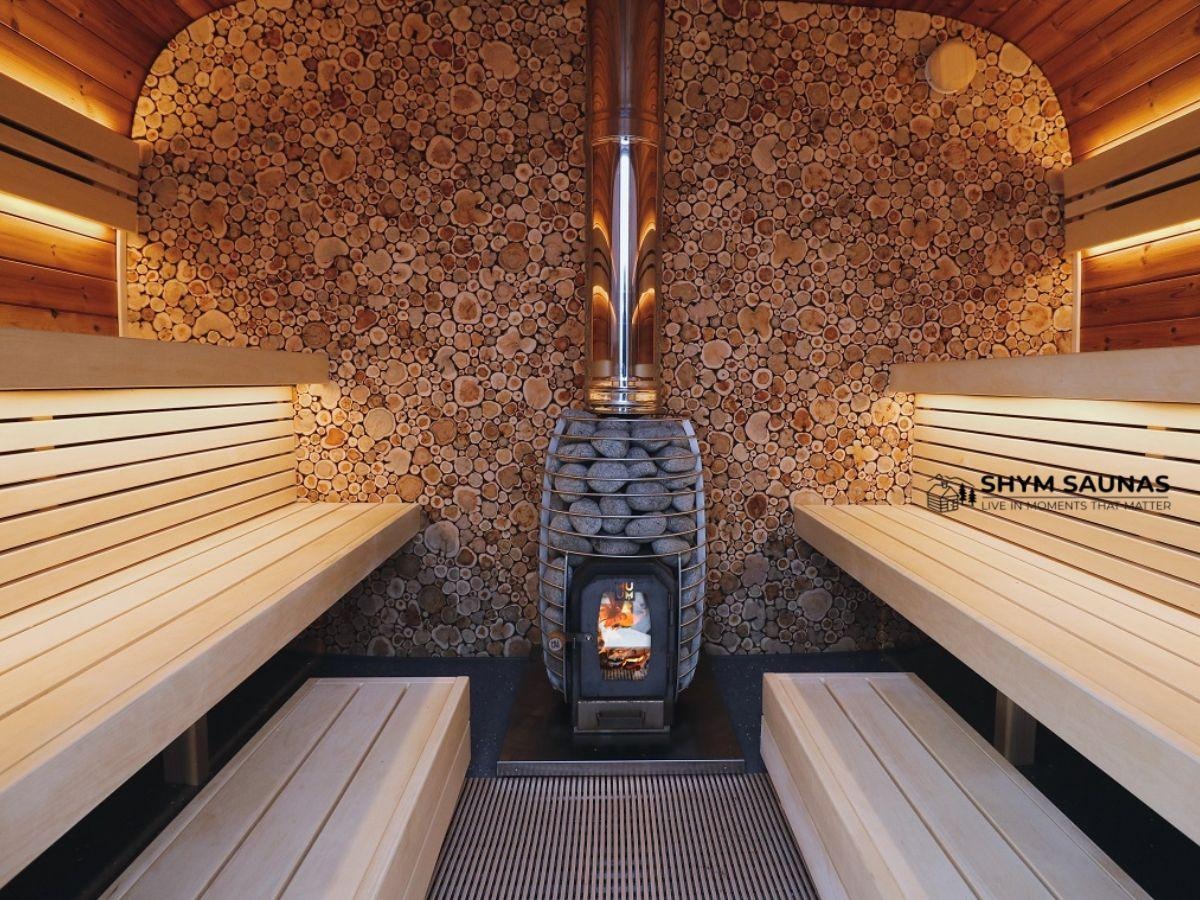
Remember when your best sleep hack was counting backwards from 100 or reciting sheep? Fast‑forward to 2025, and we now know stress hormones, blue‑light screens and an always‑on culture are sabotaging our shut‑eye. The good news? You don’t have to move mountains or book a silent retreat to fall asleep when stressed. A simple, soothing routine — perhaps involving a Shym Sauna’s Saunas & Spas session — can make that wired‑and‑tired feeling melt away.
Below, we unpack why stress keeps you awake and how a warm sauna ritual slots into a bedtime routine that actually works.
Key takeaways
- Stress keeps your brain in “alert mode” by flooding your system with cortisol; understanding the stress–sleep cycle is the first step to breaking it.
- A gentle sauna session before bed raises your core temperature and triggers a cooling phase that naturally boosts melatonin, relaxes muscles and lowers cortisol.
- Calming your mind with mindfulness, breathing and progressive relaxation techniques helps tell your body it’s time to rest.
- Consistent bedtime routines, good sleep hygiene and healthy daytime habits (exercise, daylight exposure and avoiding stimulants) make it easier to fall asleep when stressed.
Why stress keeps you awake
When you’re stressed, your body ramps up production of cortisol — the primary “fight or flight” hormone. Elevated cortisol levels make your heart race and sharpen your senses, which is great when you’re running from danger but disastrous when you’re trying to doze. Sleep experts note that people under chronic stress often have higher levels of stress hormones circulating in their bodies.
In this state, your body stays stuck in high gear. You might lie in bed thinking about deadlines, regrets or tomorrow’s to‑do list. Many doctors refer to this as “the anxiety‑insomnia loop”: stress keeps you awake, and the lack of sleep feeds more stress. Breaking this cycle requires convincing your nervous system that it’s safe to relax.
Cortisol and the stress–sleep cycle
High cortisol doesn’t just make your mind race; it actively disrupts sleep architecture. Stress hormones delay the drop in core body temperature and melatonin release that signal bedtime. Elevated cortisol can also reduce deep sleep and increase nighttime awakenings. Knowing this helps us see why stress management strategies — like heat exposure, breathwork and routine — are so powerful.
How a sauna ritual helps you fall asleep
Heat therapy isn’t just for spa days. Sitting in a warm sauna (whether traditional or infrared) increases your core body temperature, prompting a cooling‑off phase once you step out. Researchers have found that this post‑sauna cool‑down mimics the natural temperature drop your body undergoes before sleep, which triggers melatonin production — the hormone that tells your brain it’s time to rest. That’s why a sauna session in the evening can help you fall asleep faster and reach deeper sleep stages.
Thermoregulation and melatonin
Your circadian rhythm relies on a rhythmic rise and fall of body temperature. A sauna temporarily raises your core temperature; as you cool down afterward, your body interprets this drop as a signal to release melatonin. Studies note that melatonin not only shortens the time it takes to fall asleep but also promotes deeper slow‑wave sleep.
Reducing cortisol and stress
Stress reduction isn’t just a by‑product of heat therapy; it’s one of the main benefits. Controlled heat exposure triggers a spike in stress hormones during the session, followed by a significant drop afterward. Cleveland Clinic experts report that the calming nature of saunas helps improve anxiety and stress levels, which in turn supports better sleep.
Relaxing muscles and easing pain
Heat increases circulation and releases endorphins, your body’s natural “feel‑good” chemicals. Saunas have been shown to reduce pain and muscle stiffness. Less pain means fewer nocturnal awakenings and a smoother transition into restorative sleep. If you’re dealing with chronic pain or post‑workout soreness, a sauna ritual can make bedtime more comfortable.
Traditional vs infrared saunas for sleep
Both traditional dry saunas and infrared saunas heat your body, but infrared saunas work at lower temperatures (around 113–140 °F vs 150–195 °F for dry saunas). For people sensitive to intense heat, infrared saunas may provide similar benefits with more comfort. There’s some evidence suggesting red‑light wavelengths in infrared saunas could boost melatonin production, though both types offer stress‑relieving and sleep‑promoting effects.
When and how to use a sauna before bed
Timing matters. Spend 15–20 minutes in the sauna about one to two hours before bedtime. This gives your body time to cool down naturally, aligning with your circadian drop. Stay hydrated before and after your session, and avoid alcohol or heavy meals. Use the time in the sauna to practice deep breathing, mindfulness or quiet stretching; this compounds the relaxation effect.
Safety note: While saunas are generally safe, there are exceptions. People with heart disease, uncontrolled blood pressure, certain neurological conditions, pregnant women or anyone recovering from a recent heart attack should consult a doctor before using one. Always listen to your body; if you feel dizzy or unwell, exit immediately.
Natural techniques to calm your mind before bed
Heat is only one tool. Pair your sauna ritual with mental techniques that switch your nervous system from fight‑or‑flight to rest‑and‑digest.
Mindfulness, guided meditation and deep breathing
Mindfulness meditation teaches you to observe thoughts without judgment. Research shows it reduces sleep disturbances. Guided meditation and imagery use verbal cues and calming visuals to ease anxiety. Simple deep breathing exercises (like the 4‑7‑8 method) slow your heart rate and trigger a relaxation response.
Progressive muscle relaxation and body scans
Progressive muscle relaxation involves tensing and releasing muscle groups sequentially. Sleep experts recommend it for reducing physical tension and helping people fall asleep. A body scan meditation—mentally moving attention from your toes to your head—has a similar effect, relaxing your body and mind.
Journaling and the “worry parking lot”
If your brain races at night, create a “worry parking lot.” Spend a few minutes before bed jotting down tasks, concerns and random thoughts. Tell yourself you’ll revisit them tomorrow. This simple practice shows your mind that nothing important will be forgotten, helping it let go.
Crafting a bedtime routine that signals sleep
Consistency is key. A bedtime ritual tells your body that it’s time to switch off.
Bedtime ritual: step‑by‑step
- Screen fade‑out. Dim lights and reduce screen time an hour before bed; blue light disrupts your circadian rhythm and suppresses melatonin.
- Light snack or herbal tea. Avoid heavy meals; choose calming beverages like chamomile.
- Warm experience. A shower, bath or sauna raises your temperature so it can drop later.
- Calm input. Read a book, listen to soft music or do a gentle stretch routine.
- Lights down. Keep your bedroom dark, cool and quiet. Consider a fan or white‑noise machine.
Optimise your sleep environment
Sleep specialists recommend a dark, quiet bedroom and a consistent sleep schedule. Invest in breathable bedding and keep the room slightly cool to support the natural temperature drop. Use scent cues like lavender or cedar (which pair beautifully with the wood aroma of a sauna) to reinforce bedtime.
What to avoid before bed
- Stimulants: Limit caffeine, alcohol and heavy meals in the hours before bedtime.
- Doomscrolling: Set down your phone to avoid anxiety‑inducing news or social media.
- Intense exercise: Finish workouts at least three hours before bed; vigorous activity too close to bedtime can delay sleep onset.
If you’re awake for more than 20–30 minutes, sleep doctors suggest getting out of bed, doing something quiet (reading, journaling) and returning when you feel drowsy. This helps your brain associate bed with sleep, not frustration.
Daytime habits that make nighttime sleep easier
Sleep isn’t just built at night. Your daytime choices set the stage.
- Exercise and sunlight: Moderate exercise and time outdoors regulate circadian rhythms and promote deep sleep. Just avoid strenuous workouts right before bed.
- Be generally active: Avoid sitting all day; break up desk time with walks or chores.
- Limit naps: If you need a nap, keep it under 20 minutes and avoid napping too close to bedtime.
- Balance your diet: Avoid excessive sugar and heavy meals in the evening; consider foods rich in magnesium and tryptophan (like nuts, seeds and oats) which support sleep.
Safety tips and who should avoid saunas
Saunas aren’t for everyone. According to medical experts, you should stay hydrated and limit sessions to around 15–20 minutes. Avoid saunas if you have unstable heart conditions, have recently had a heart attack or stroke, are pregnant or trying to become pregnant, have epilepsy, or are taking certain medications. When in doubt, check with your healthcare provider.
Conclusion: invite sleep rather than chase it
Falling asleep when stressed isn’t about forcing yourself to “turn off.” It’s about creating conditions that invite your nervous system to unwind. A warm sauna session can be the cornerstone of a bedtime ritual that tells your body it’s safe to relax: you heat up, you cool down, melatonin rises, your muscles soften and your mind slows. Combine that with mindfulness, a worry‑parking practice, a consistent sleep schedule and healthy daytime habits, and suddenly those nights spent staring at the ceiling become rare.
You don’t need a luxury retreat or a perfect life to sleep well. You just need to show your body, night after night, that rest isn’t a fight — it’s a ritual. And sometimes, the ritual starts with stepping into a wooden room, letting heat envelop you, and breathing yourself into tomorrow.